
World Bank says Kenya could have saved up to $900 million on its Chinese-built railway
Kenya's Mombasa-Nairobi standard gauge railway cost $7.6 million per kilometer, against $5.7 million for Tanzania's newer electrified line, the World Bank said on Nov. 4. Built at Tanzania's rate, it would have cost up to $900 million less, and the bank blames procurement and land deals for at least 30% of the gap.
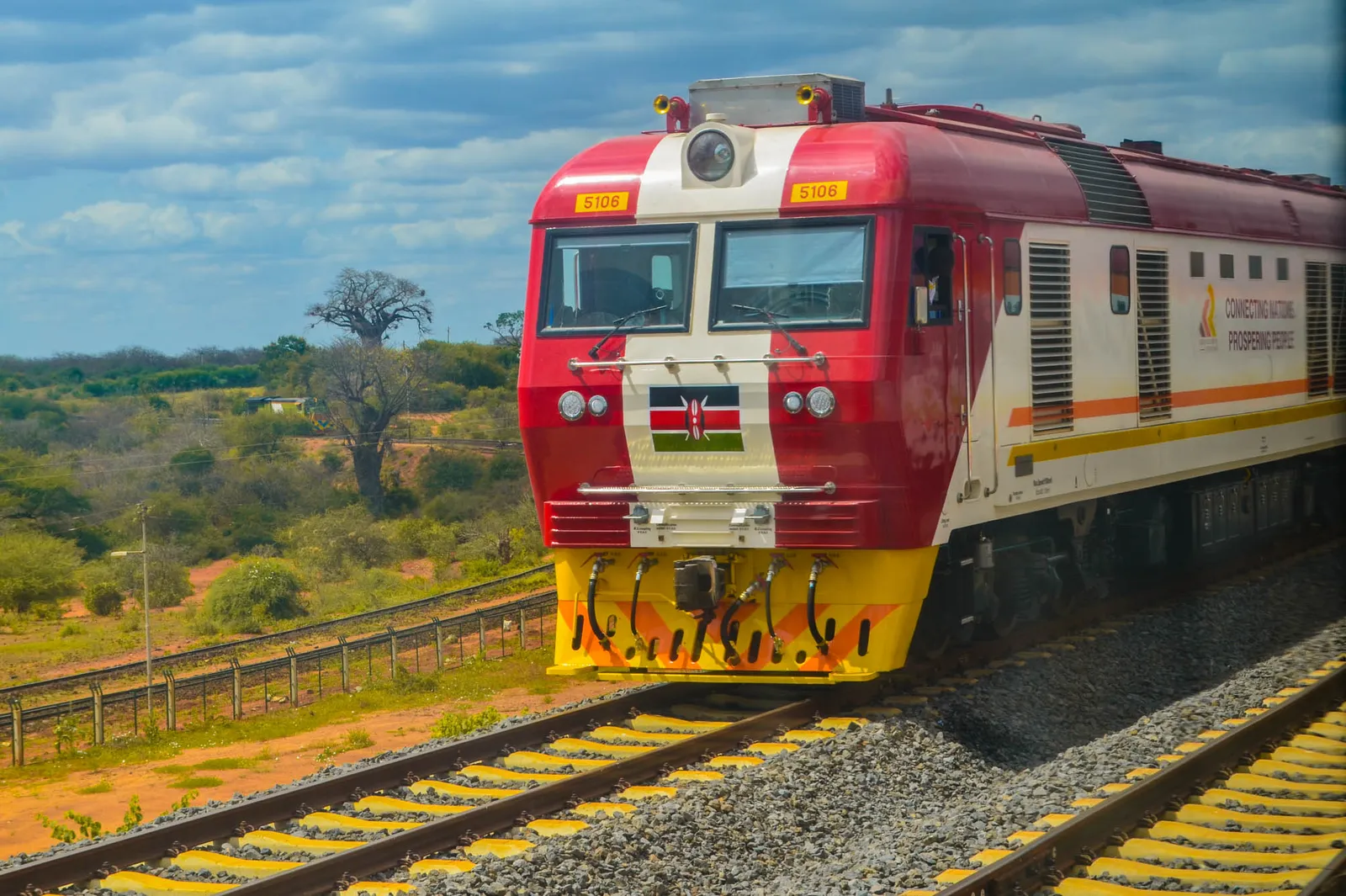

The numbers are in Edition 34 of the bank's Kenya Economic Update. Kenya's diesel line from Mombasa to Nairobi, built between 2014 and 2017, came to about Sh988 million per kilometer, Business Daily reported. Tanzania's electrified Dar es Salaam to Dodoma line cost $5.7 million per kilometer and the electrified Djibouti to Addis Ababa line $5.3 million. Nairobi Wire put Kenya's premium over the Tanzanian benchmark at 33%, or Sh116 billion to Sh117 billion across the route.
At least 30% of that potential saving, roughly $270 million, traces to governance failures, the bank says: a contract awarded directly rather than tendered, speculation in land along the route, and suspected fraud in land titles, valuations and compensation. China Exim Bank loans paid for the line and China Road and Bridge Corporation built it, Business Daily noted. The report adds a caveat: the figure estimates what could have been saved and does not prove that money was stolen or can be recovered.
The bank also spells out where the comparison is weak. Kenya's railway is the only one of the three without electrification, which adds infrastructure cost to the other two. The Ethiopian route climbs about 2,300 meters against roughly 1,600 for Kenya's. Tanzania built later, from 2017 to 2024, and to a higher specification. Land acquisition cost Kenya far more, the bank found, but that does not account for the whole difference.
Kenya stretched repayment of the Chinese loans to 2040 last year. It now wants to carry the line from Naivasha through Kisumu to the border town of Malaba without Chinese money, using bonds backed by the railway development levy, Business Daily reported.
Why it matters: The World Bank has put a per-kilometer price on what a sole-source award and dirty land deals add to a megaproject. Firms eyeing Kenya's bond-financed Malaba extension now know the $5.7 million benchmark it will be measured against.
Sources
- World Bank says Kenya overpaid Sh117bn for Mombasa-Naivasha SGRBusiness Daily, Nov 4
- Kenya Could Have Saved KSh117 Billion on SGR, World Bank Report ShowsNairobi Wire, Nov 4