
Peru's flood defenses, many still unfinished, face a super El Niño
Northern Peru's rivers rose in late October as forecasters confirmed an extraordinary coastal El Niño through February 2027. The season will test flood works designed under a UK-Peru government-to-government deal after the 2017 disaster that displaced 1.7 million people.
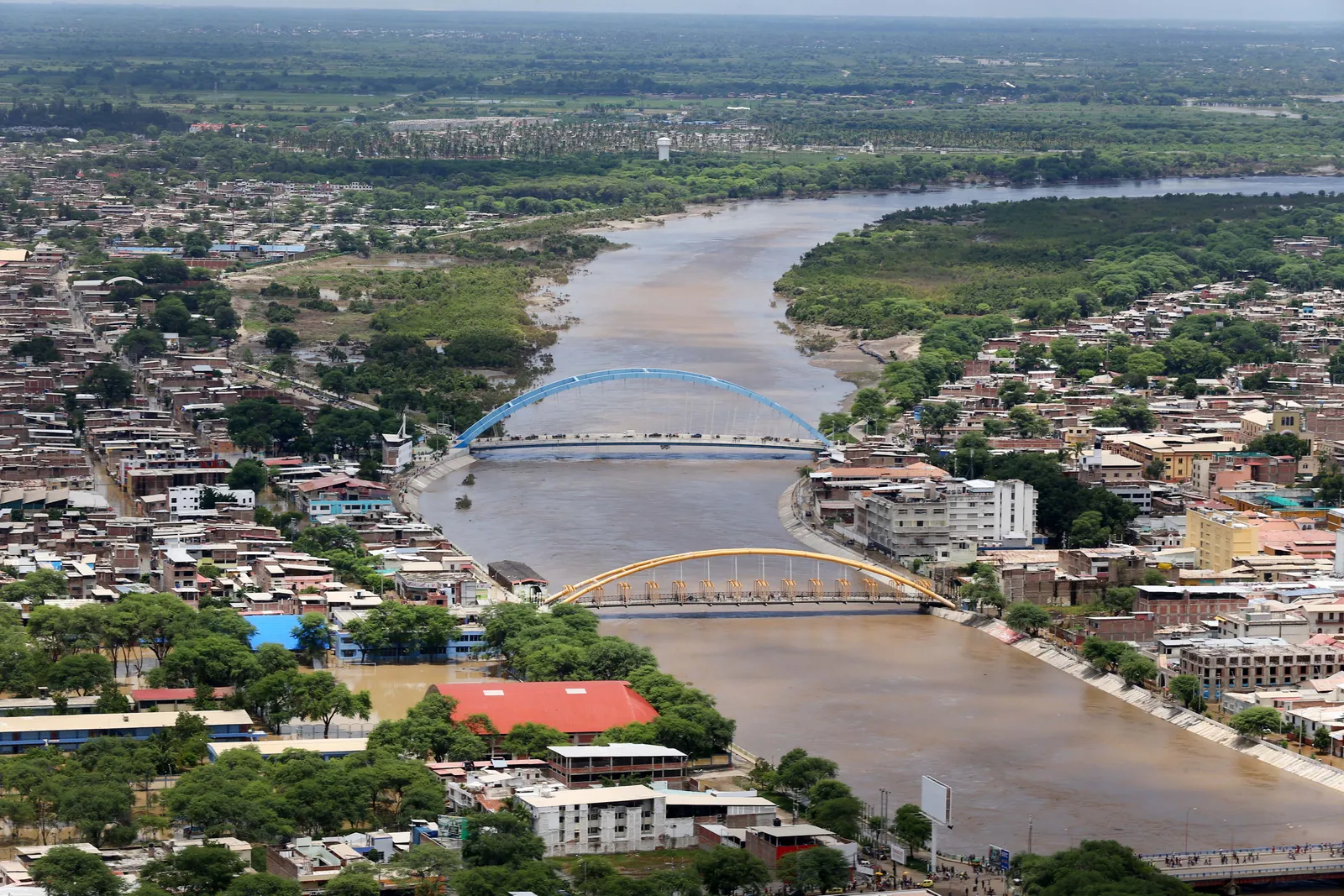

In early 2017, three months of coastal El Niño rain in northern Peru washed out bridges and roads, killed more than 150 people and displaced 1.7 million, ENR reported, citing the Climate Resilience Alliance. The reconstruction program stalled until June 2020, when Peru signed a government-to-government agreement with the United Kingdom. A joint venture of Mace Consult, Gleeds and Arup, the UK Delivery Team, took over delivery.
The team designed flood protection covering 17 river basins and five ravines across seven cities, plus six citywide drainage schemes, one of them in Piura. Above Trujillo, the Quebrada El León project, which is nearly finished, uses 35 dikes, retention basins, sediment traps, tunnels and channels wrapped in mesh to slow runoff that can reach about 50 cubic meters per second and route it to the Moche River. ENR's tally shows three flood protection projects delivered and 13 river and gully projects plus three urban drainage projects still under way. The agreement ends this year, and Peru's National Infrastructure Authority takes over the remaining work.
The water is already here. Peru's El Niño commission, ENFEN, said on Oct. 30 that extraordinary coastal warming will last through February 2027 and taper off by June, Latin Times reported. The Tumbes, Piura and Chira rivers surged on Oct. 28 and 29, and the national weather service warned that Piura and Tumbes could get more than 100 millimeters of rain in November. About 982 districts are under a state of emergency.
Mace Consult associate director Edward Parker told ENR that after each event, crews will have to clear sediment from the channels and repair damaged sections. The UK team has advised the infrastructure authority on how to run that maintenance.
Why it matters: Parker said sediment and the speed it travels do more damage in Trujillo than the water alone. Designers and maintenance contractors should watch how the sediment traps and energy dissipators hold up this season, and who wins the cleanup work.
Sources
- Rivers Surge, Rains Top 150mm: Peru's El Niño Enters Peak Season With No Relief Until 2027Latin Times, Nov 1
- Peru's Infrastructure at a Turning Point Ahead of Super El NiñoENR, Nov 4