
Parliament's restoration slips two years before MPs vote, and each year of delay could add £420 million
MPs cannot leave the Palace of Westminster before 2034 because their temporary quarters won't be finished, two years later than the 2032 target, Construction Enquirer reported. Parliament's Public Accounts Committee says each year the decision is put off could add as much as £420 million to the programme's lifetime cost.
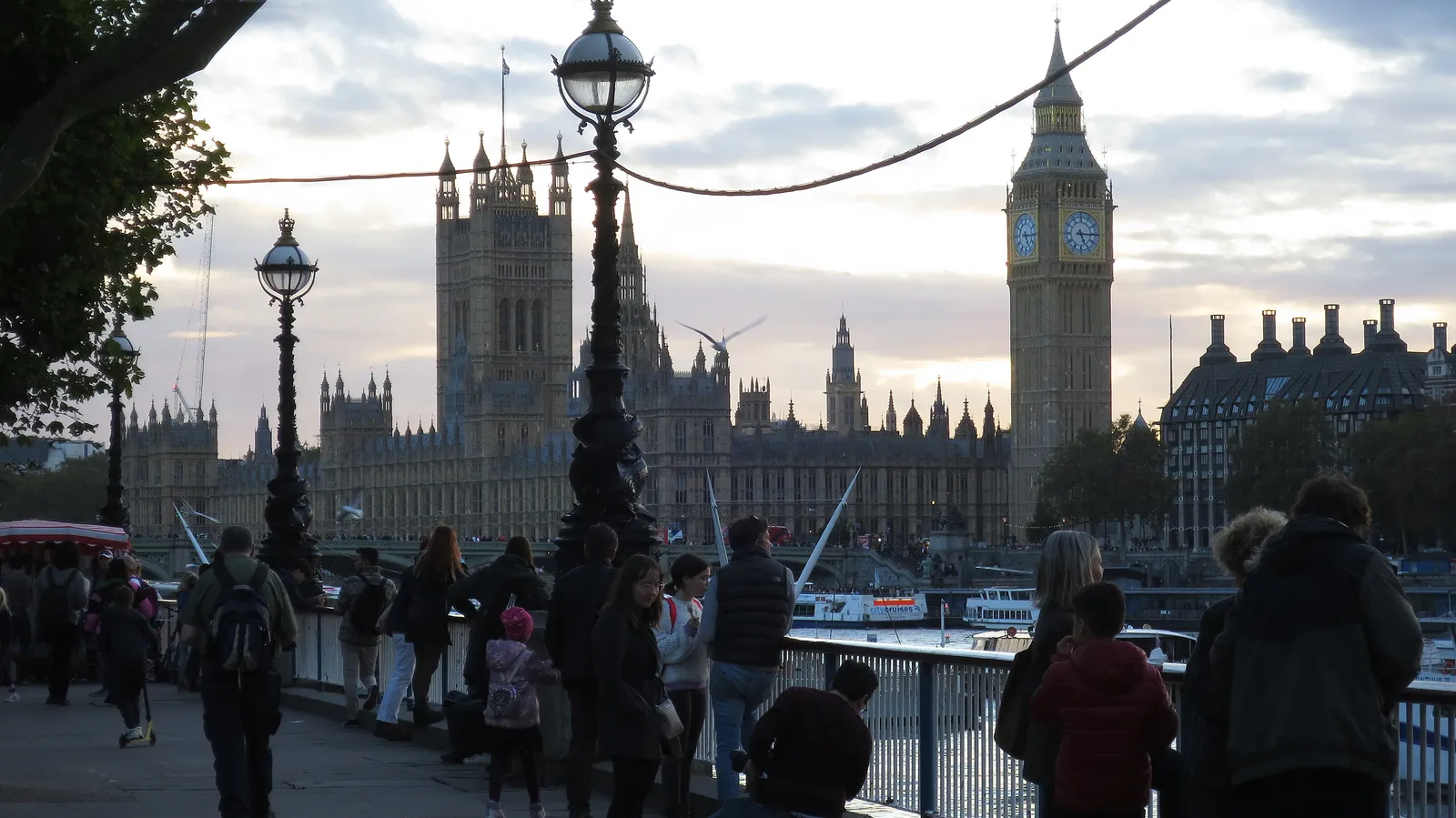

The hold-up is on the Northern Estate, the buildings where MPs are supposed to sit while the palace is emptied. Heritage approvals, too little space for site setup and budget pressure are slowing that refurbishment, according to the committee's report released Nov. 4. The Lords' planned move to the QEII Centre has its own problem, because the deal to buy the building is still not done.
A vote by MPs and peers is due before 2026 is out, covering a £3 billion first phase and a shortlist of two restoration options. Moving both Houses out entirely is priced at £11.1 billion to £15.6 billion over 19 to 24 years. The phased alternative, with smaller moves, comes to £19.5 billion to £39.2 billion over 38 to 61 years. The final route will be picked in 2030. A debate pushed beyond late 2026 would run into lapsing procurement frameworks and cost a further nine to 12 months, Construction Enquirer reported.
Inside the first phase, riverside security, relocating building services and work on the medieval cloister court still have no price. An unallocated £500 million pot has to pay for them and also serve as contingency. The committee wants one combined plan covering the restoration and the temporary homes, firm numbers for the unpriced packages, a look at competitive dialogue so contractors can weigh in, and simpler governance. Committee chair Sir Geoffrey Clifton-Brown put the price of each postponement in the hundreds of millions of pounds of taxpayers' money. Until there is a decision, the weekly upkeep bill for the old building is forecast to climb to £2 million, up from £1.5 million.
Why it matters: The near-term work is the £3 billion first phase: temporary accommodation, enabling works and a strategic partner. Its timing now depends on a vote this year and on frameworks that lapse if the vote slips, so bidders should plan around a 2034 decant.
Sources
- Parliament risks managed decline without ‘best case scenario’ renovation: MPsEvening Standard, Nov 3
- Parliament restoration hits two-year snag before crunch voteConstruction Enquirer, Nov 4