
Senate holds its first vote on the permitting overhaul builders have pushed for years
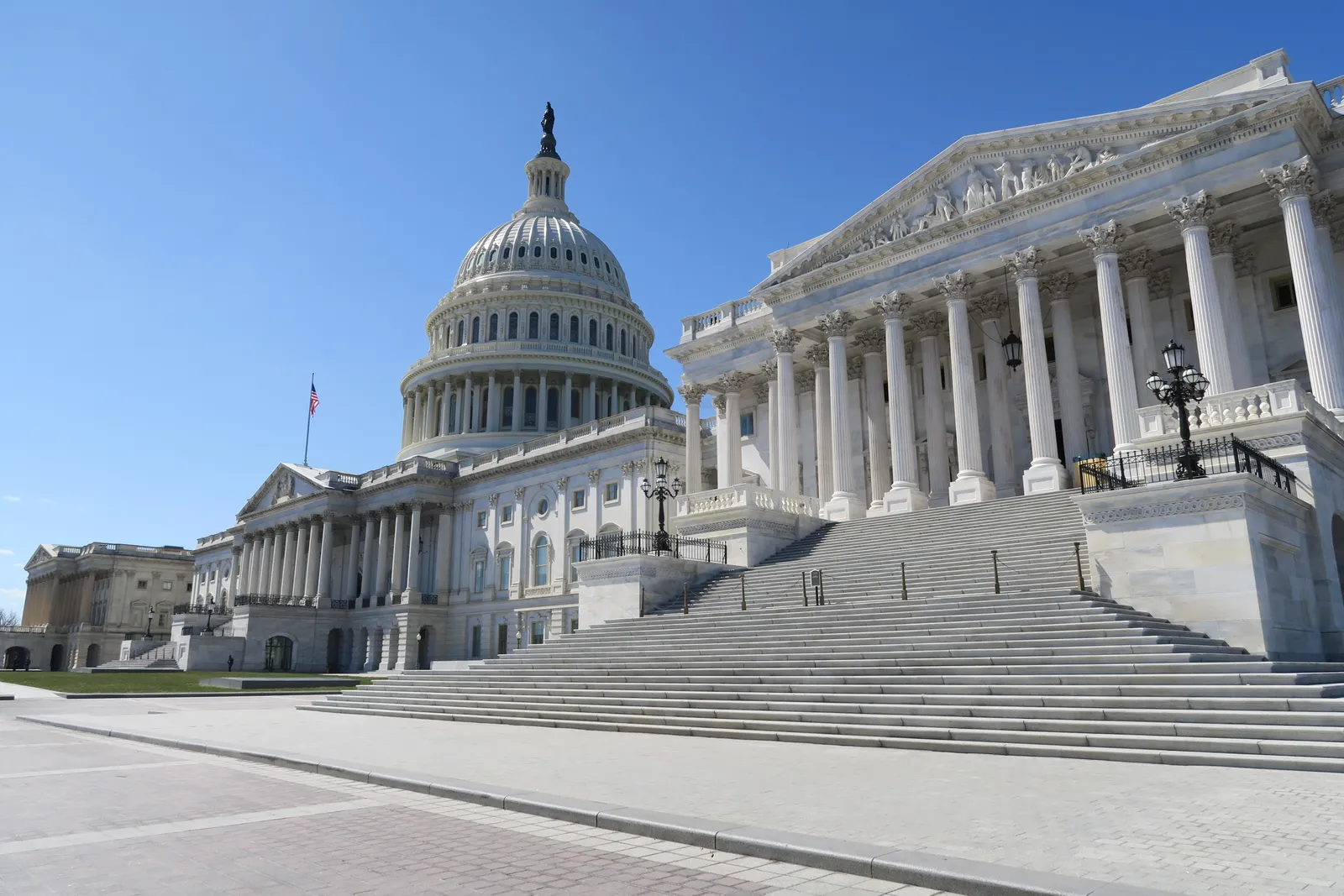
The Senate is set to vote at 5:30 p.m. Eastern on Monday, November 9, on cutting off debate over taking up S. 5653, the bipartisan permitting bill. It needs 60 votes, so at least seven Democrats must join even if all 53 Republicans vote yes.

The Bipartisan American Affordability and Jobs Act, written by Sens. Shelley Moore Capito (R-W.Va.), Mike Lee (R-Utah), Sheldon Whitehouse (D-R.I.) and Martin Heinrich (D-N.M.), would give federal agencies one year to finish an environmental assessment and two years for a full impact statement under NEPA. Lawsuits against a federal permit would have to be filed within 150 days instead of the six years most challenges are allowed now, Inside Towers reported. Data centers of 20 MW and up would have to cover the whole cost of the grid hookups and upgrades they trigger.
Senators will vote on a manager’s amendment the four sponsors released on November 7. According to Heatmap, it makes transmission developers spend a year seeking state approval before they can ask FERC to site a line under the bill’s federal backstop, and extends that backstop to state-owned land. It exempts vertically integrated utilities outside organized power markets from a joint generation and transmission planning mandate, lets agencies revise permits when a court orders it, and drops a disputed definition of tribal cultural property.
Pushback has grown since Democrats’ decisive win on November 3. The Sierra Club said on Friday it cannot support the bill as written, Bloomberg Government reported, and the Wilderness Society repeated its opposition after the amendment came out. Many Democrats would rather wait for their new majority in January, Inside Towers reported. On the other side, a coalition that includes Associated Builders and Contractors, chapters of the Associated General Contractors and the American Petroleum Institute urged lawmakers in an October 21 letter to pass the bill in the lame-duck session, ENR reported.
If cloture is invoked, the Senate gets up to 30 more hours on the motion and then decides whether to take up the bill itself. A Senate-passed bill would then have to be reconciled with the SPEED Act, the House permitting bill passed in December 2025. The tally was not known when this story was published.
Why it matters: The bill decides how long energy, transmission and pipeline jobs sit in federal review and in court before crews can mobilize. Watch tonight’s tally: without 60 votes, the bill does not reach floor debate.
Sources
- Senate Leaders Tee Up Vote on Permitting Reform after MidtermsENR, Nov 3
- Senate Permitting Vote Set for Monday Even as Pushback GrowsBloomberg Government, Nov 6
- The Last-Minute Changes to the Senate Permitting Deal, ExplainedHeatmap, Nov 7
- Congress Holds Vote Today on Data Center RegsInside Towers, Nov 9