
Fresno airport runway contract: who keeps the $98.9 million job after the court ruling?
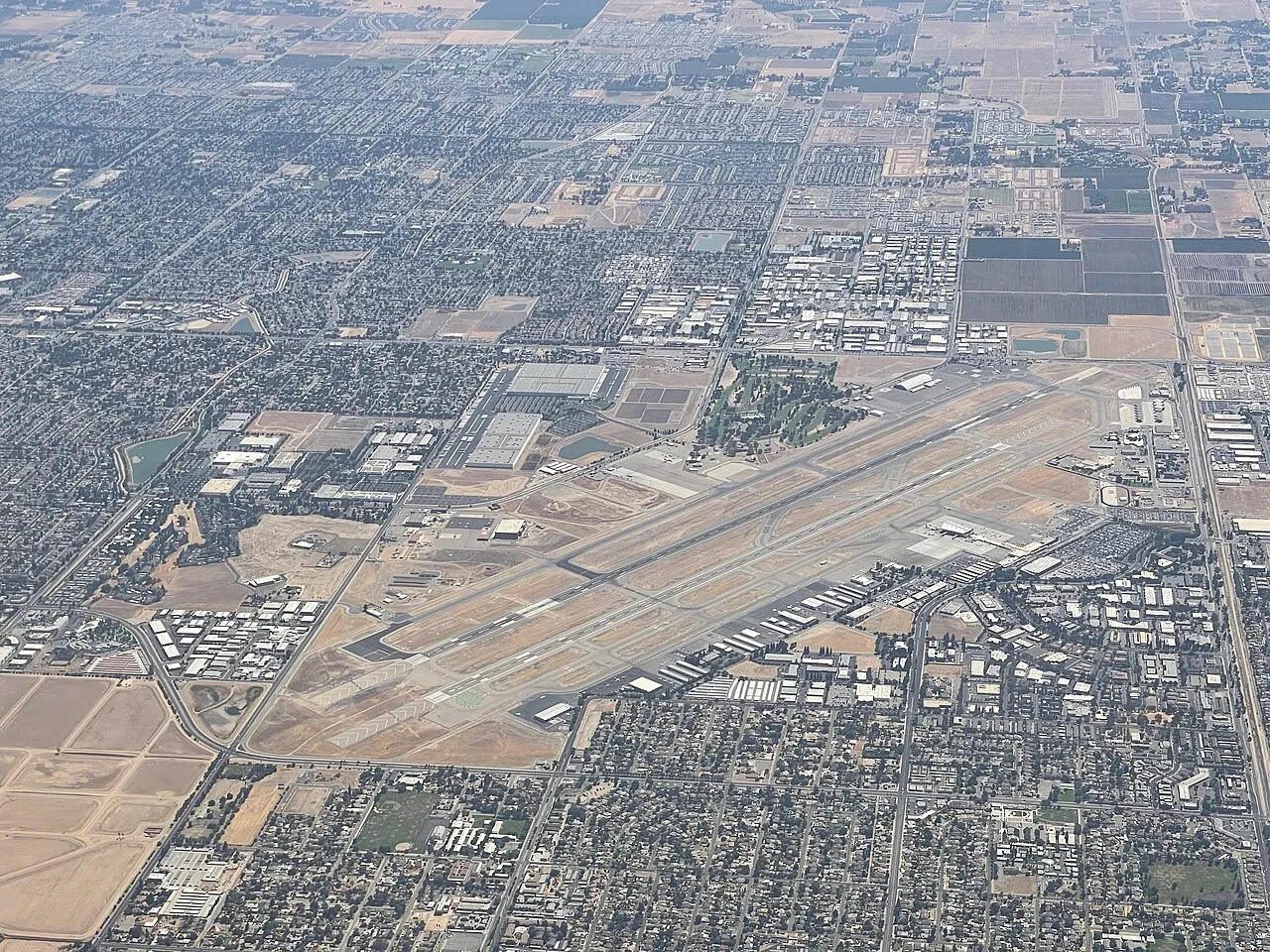
A DeSilva Gates Construction and Vanguard joint venture keeps the $98.9 million contract to rebuild Runway 11L-29R at Fresno Yosemite International Airport after Fresno County Superior Court rejected the second-place bidder's attempt to overturn the award, The Business Journal reported.

The ruling, reported on Nov. 25, ends a court challenge from the bidder that finished second when five sealed bids were opened in September 2025, according to The Business Journal. City records show the joint venture, based in Dublin, California, bid $98,888,888. That was the lowest of the five bids, which went as high as $120,511,817, and about 32% below the engineer's estimate of $130.7 million.
The dispute began at City Hall. After staff posted a determination on Feb. 18, 2026, to give the job to the joint venture, Security Paving Company protested the city's finding on responsiveness. An independent administrative hearing officer heard the appeal on March 18 and recommended that the city deny the protest, finding the joint venture the lowest responsive and responsible bidder. The City Council approved the contract on its consent calendar on April 9, according to the staff report.
The work replaces asphalt with Portland cement concrete along the full length of the airport's primary runway. It also covers utility relocations, new airfield lighting, new pavement markings and reconfigured taxiways, the report says. Federal Aviation Administration Airport Improvement Program grants pay for the project, and each year's notice to proceed depends on FAA funding. The council also hired Krazan of Fresno for geotechnical testing and inspection at $1.16 million and Kimley-Horn for construction management, both on three-year terms. The city's local preference rule did not apply because the money is federal.
The Business Journal's report did not lay out the court's reasoning, and it was not known whether the losing bidder plans to appeal.
Why it matters: On this FAA-funded job, a challenge to the low bid failed before a city hearing officer and again in Superior Court. Bidders on federal airport work should note that local preference rules fall away and that each year of work waits on FAA grant money.
Sources
- ID 26-280: Actions pertaining to the Runway 11L-29R Reconstruction project at Fresno Yosemite International AirportCity of Fresno, Apr 9
- Court upholds city's $98.9M FAT runway award to low bidderThe Business Journal, Nov 25