
Can you hang an extension ladder from roof ridge hooks? What manufacturers and OSHA say
A chimney technician on Reddit's r/Roofing asked why his aluminum Werner extension ladder slides apart when it hangs from ridge hooks on steep roofs. Werner's own manual explains it: extension ladders are built to stand on their feet, not to hang from the top.
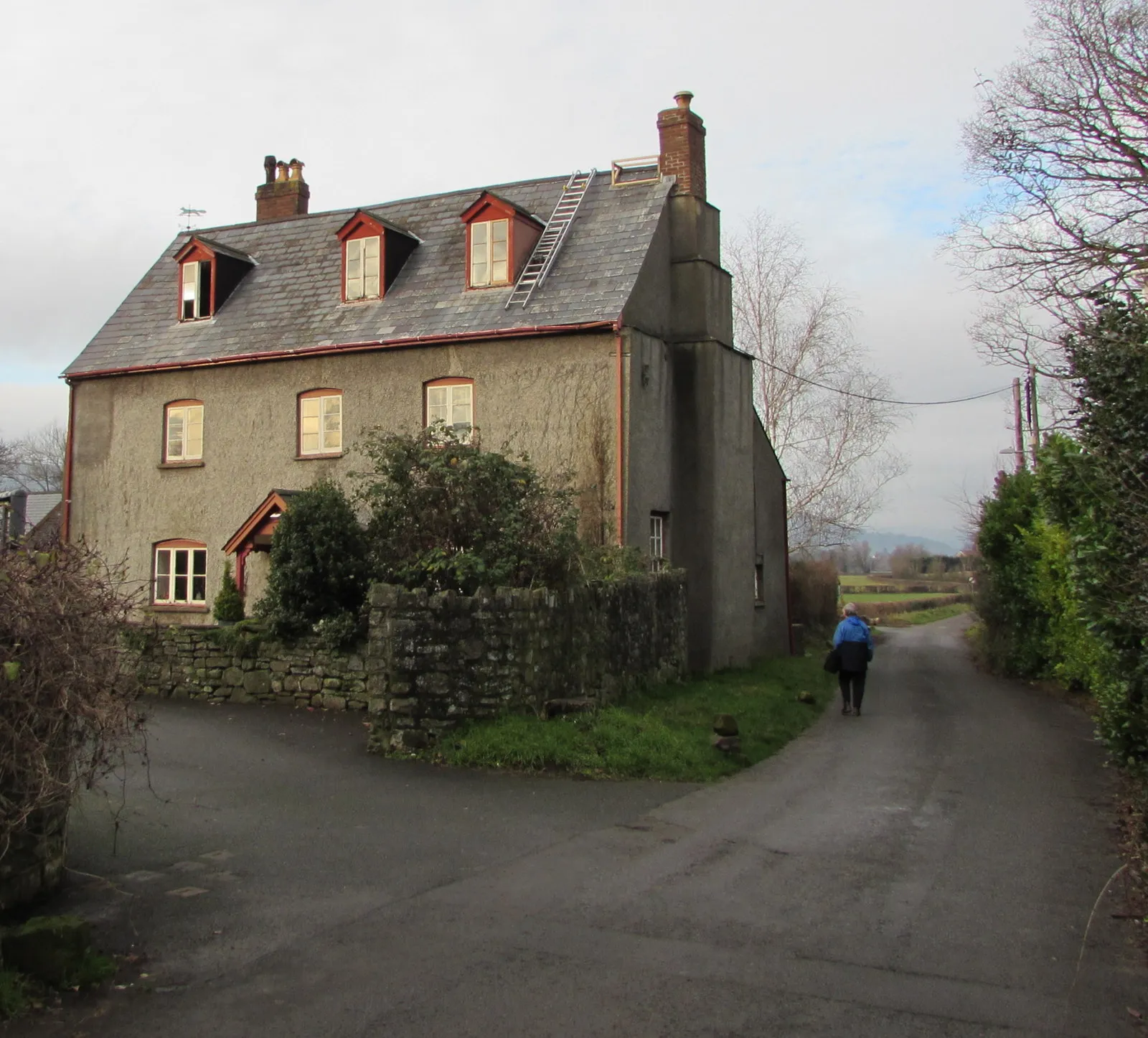

Werner's fiberglass ladder technical manual says the company's extension ladders must always stand with the fly section above the base and resting on its climbing side, and must never be used upside down. In that position the rung locks on the fly sit on a base rung and pass the load downward. Hang the ladder from hooks at the top and the load runs the other way: the lower section, plus the climber, pulls down and away from locks that only rest on its rungs from above. Little besides the guide brackets holds the sections together, as the poster found.
Werner's UK website sells its roof hook as a way to turn most single-section ladders into roof ladders. Guardian, maker of the 2481 ladder hook sold by U.S. retailers, requires two hooks per ladder clamped over the top two rungs and advises against them where the ridge is vented. Werner's manual adds two rules that bear on the rope trick: sections must not be lashed or joined to gain length, and only Werner-supplied or Werner-approved accessories belong on its ladders. Lashing the fly to the base with rope or straps breaks the first rule.
Federal rules point the same way. OSHA's ladder standard for construction, 29 CFR 1926.1053, limits ladders to the purpose they were designed for and bars tying or fastening ladders together for extra length unless they were built for it. Under 1926.501(b)(11), anyone working on a steep roof whose edge sits 6 feet or more over a lower level must be protected by guardrails with toeboards, safety nets or personal fall arrest. A ladder hooked over the ridge is a place to stand. It is not fall protection.
Two setups fit the paperwork. One is a single-section ladder for each common roof length, fitted with hooks its maker approves. The other is to take the extension ladder apart and hook only one section. Werner's manual allows sections to be used separately but tells users to put them back together with care: guide brackets fully engaged, and only sections from the same maker and model.
Why it matters: Hanging an extension ladder from ridge hooks loads its rung locks in a direction they were not built for. Hook single sections only, follow the hook maker's instructions and keep everyone on a steep roof tied off.
Sources
- 1926.501, Duty to have fall protection.OSHA, Jan 26, 1995
- 1926.1053, Ladders.OSHA, Apr 11, 2014
- What Type of Ladder Do You Use With Roof Ridge Hooks?Reddit r/Roofing, Nov 9
- Fiberglass Ladder Technical ManualWerner Co., Nov 9
- Werner Ladder AccessoriesWerner UK, Nov 9
- Ladder Hook with Wheel, Part #: 2480; 2481, InstructionsGuardian Fall Protection, Nov 9