
Accoya eats ordinary steel. Which fasteners and hardware to use with acetylated wood
Accoya, wood modified with acetic anhydride, holds a small amount of acid that speeds up corrosion of plain steel and coated hardware once moisture gets in. Its US code report allows only Type 304 or 316 stainless fasteners, and the maker's hardware guide covers parts that don't come in stainless.
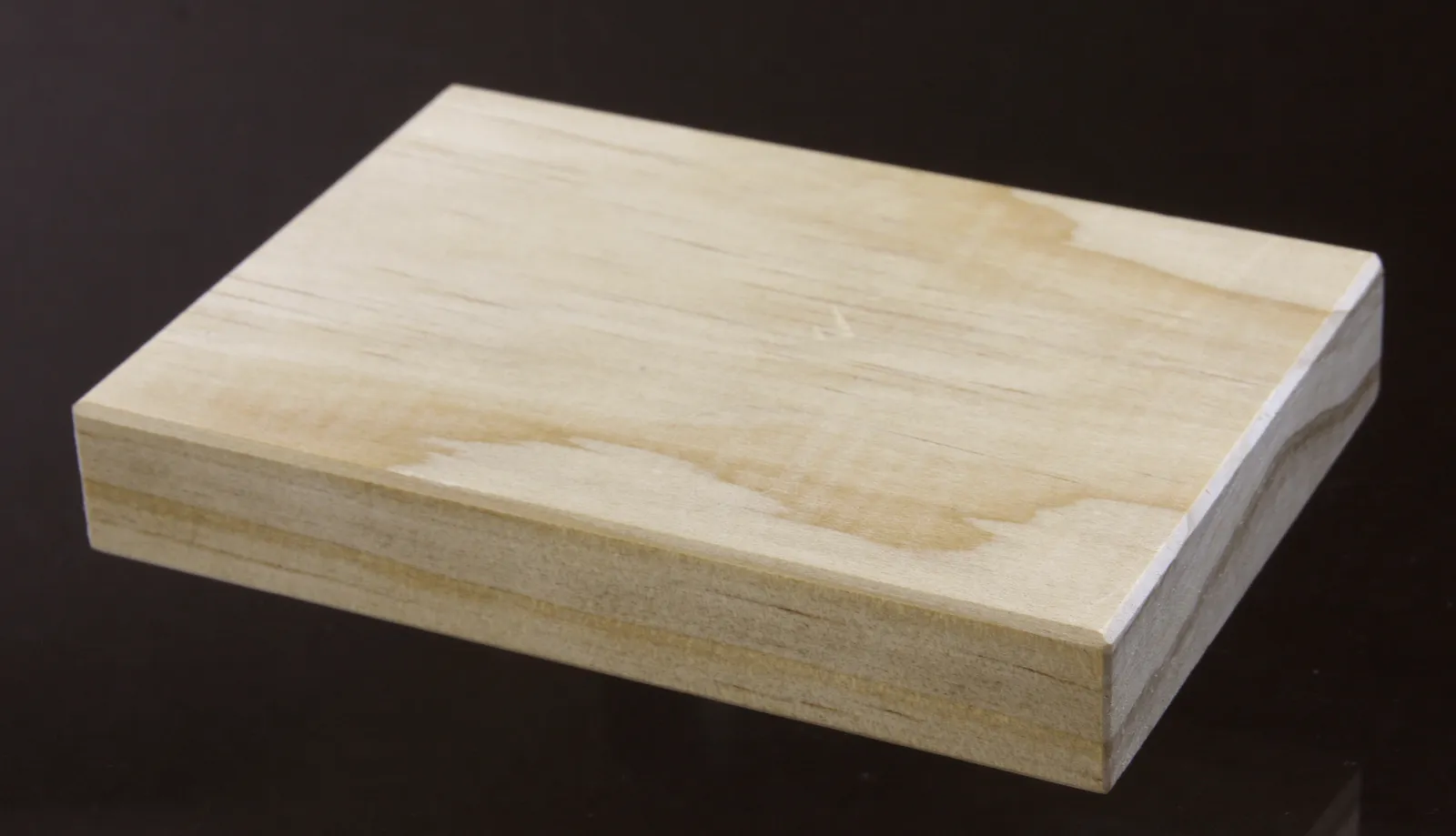

Accoya is wood treated with acetic anhydride, a process that makes it highly resistant to rot and keeps it from swelling and shrinking. The manufacturer says that, like most durable woods, it holds a little acid, and it strongly recommends corrosion-resistant or non-ferrous fasteners such as good stainless steel. A hardware guide that Accsys, the maker, published with UK supplier Coastal Group compares the acid level to oak and western cedar and names moisture as the trigger for corrosion.
On US jobs the rule is firmer. ICC-ES evaluation report ESR-2825, which recognizes Accoya as preservative-treated wood under the IBC and IRC, limits fasteners to Type 304 and 316 stainless steel. Where the wood would touch damp concrete, CMU or cement-based siding, the report calls for stainless or aluminum flashing or another noncorrosive barrier, and it requires Accoya's instructions to be on the jobsite during installation. Suppliers sell those grades as A2/304 and A4/316, and the Accsys guide names A4/316 as the most durable choice for exterior butt hinges.
The harder case is hardware that isn't made in stainless, such as galvanized sash hinge pins or multipoint lock bodies. The guide's answer is a barrier: coat the metal or the wood, or keep the two from touching. Lock housings and other cutouts get end-grain sealer, and the edges of doors and sashes, including the strip hidden behind the lock, get the same full paint coat as the outer face. Spraying locks and their mechanisms with PTFE or lithium grease adds protection. Coastal says Winkhaus locks tested to EN 1670 corrosion class 5 are validated for Accoya, and the guide lists MACO Tricoat-Evo window hardware as suitable.
A coating only works while it is intact. The guide warns that if paint or plating chips, the metal underneath is likely to corrode unless it is stainless. Coastal's summary of Accoya practice allows zinc-coated screws only in dry interior spots and calls for stainless or brass glazing pins on both sides of exterior doors and windows.
Why it matters: Before you cut Accoya, check every metal part that will touch it, including hinge pins, lock bodies and glazing pins. On US jobs, ESR-2825 makes Type 304 or 316 stainless fasteners a condition of code compliance.
Sources
- What fasteners or fixings should I use with Accoya wood?Accoya, Jan 13, 2021
- What Hardware Should I Use With Accoya Doors & Windows?Coastal Group, Jul 26, 2023
- A Guide To Accoya For Use With HardwareAccoya / Coastal Group, Jan 1, 2024
- ICC-ES Evaluation Report ESR-2825: Accoya Acetylated WoodICC Evaluation Service, Oct 1, 2025