
Can you drill a hole through a roof truss? What codes and truss makers say about running wire
A question on Reddit's r/Carpentry this week: someone mounting security cameras drilled a 1-inch hole through a roof truss for the cable. The International Residential Code bars that without a registered design professional's approval, and the truss industry's field guide says to report it to the truss maker and get a written repair detail.
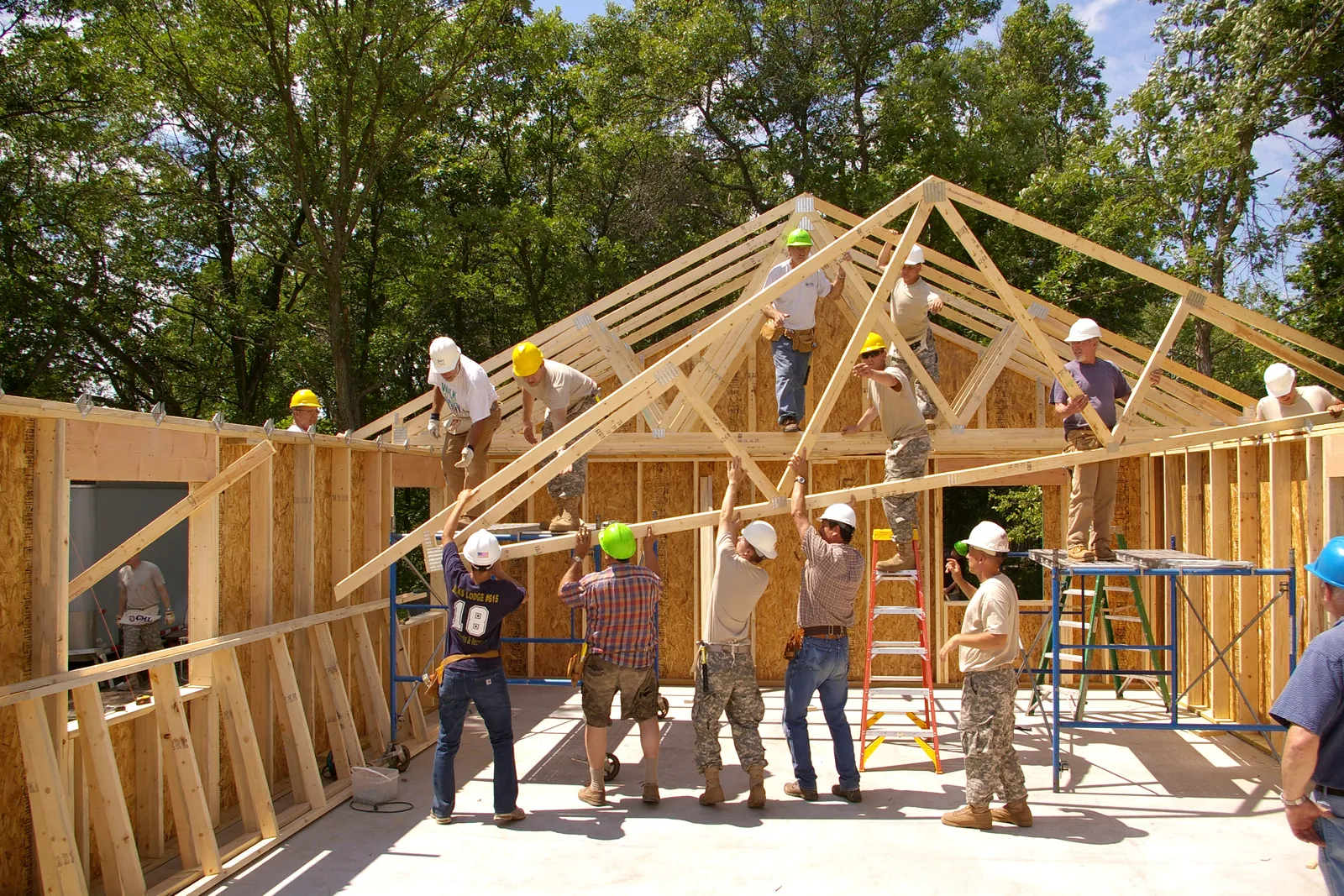

Trusses are engineered products, and the code treats them that way. Section R802.10.4 of the 2024 International Residential Code says no truss member may be drilled, cut, notched or spliced unless a registered design professional approves it. Section R802.7.2 bars bored holes in trusses unless the manufacturer allows them or an engineer accounts for them in the design. Each member of a metal-plate-connected truss works in tension or compression and the load is not spread evenly, so a crew cannot judge damage by eye, Sean Shields of the Structural Building Components Association wrote in Frame Building News.
The fix goes through the truss maker. The BCSI-B5 summary sheet from SBCA and the Truss Plate Institute says to shore up the damaged truss, tell the manufacturer at once and wait for a written repair detail from the truss designer, building designer or manufacturer before fixing anything. Skipping the report may void warranties, the sheet warns. The report should give the truss's position on the placement diagram, the hole's distance from a panel point or bearing, and its diameter, plus photos. Common repairs include plywood or OSB gussets, nail-on metal plates and lumber scabs.
MiTek publishes standard repair details for broken chords and webs, but Kelly Sias, a Simpson Strong-Tie engineer and former technical director of the Truss Plate Institute, wrote that standard details cover only the simplest repairs. For older homes without truss drawings, another design professional can design the fix, or a truss manufacturer can model the truss for a fee.
The cheapest fix is not drilling at all. For power wiring, the National Electrical Code lets NM cable cross the top of attic framing; where the attic has no permanent stairs or ladder, guard strips are needed only within 6 feet of the hatch, according to Mike Holt's code column in EC&M. Cable run along the side of framing needs no guard if it sits at least 1 1/4 inches from the edge. Damage found after sheathing and mechanical, electrical and plumbing lines go in is harder and costlier to repair, Shields wrote.
Why it matters: Electricians, low-voltage and solar crews drill trusses more than anyone. A hole with no engineer's repair detail is a code violation, and the BCSI sheet says skipping the report to the truss maker can void warranties. Run cable over or beside the chords instead.
Sources
- BCSI-B5 Summary Sheet: Truss Damage, Jobsite Modifications and Installation ErrorsSBCA and Truss Plate Institute, Apr 29, 2013
- Truss Repair Information: The Never-Ending SearchSimpson Strong-Tie SE Blog, Jun 11, 2015
- Stumped by the Code? Requirements for Installation of Type NM cableEC&M, Sep 18, 2018
- Roof Truss Repair DetailsMiTek, Dec 9, 2020
- Trusses Damaged? Here's What To DoFrame Building News, Oct 22, 2021
- Chapter 8 Roof-Ceiling Construction, 2024 International Residential CodeInternational Code Council, Jan 1, 2024